What Really Happens as Your Crops Enter Dormancy
And why your spring applications matter more than ever
When leaves change color and shoots begin to harden, it looks like the plant is shutting down. In reality, this is one of the most active, energy-intensive transitions of the year. Dormancy isn’t sleep—it’s a strategy.
Below is what’s actually happening inside perennials during late fall and winter, and how it determines the strength of your 2026 season.
The Hidden Fall Transition: Chlorophyll, Carbon, and Storage
As soil temps fall into the 40–50°F range and days shorten, plants begin moving chlorophyll and nutrients out of the leaves and into stems, shoots, spurs, branches, and roots.
This is why leaves change color:
The plant dismantles the chlorophyll and salvages its building blocks—nitrogen, magnesium, carbohydrates, amino acids, and organic molecules. In other words, the leaves are literally being harvested for parts.
Once those parts are reclaimed, the leaf is allowed to drop.
Across all perennials—almonds, pistachios, walnuts, citrus, stone fruit, olives, vines, and berries—the same core processes occur:
- Nutrients and organic molecules are reclaimed from leaves
- Carbohydrates are concentrated into wood and roots
- Hormones shift toward cold tolerance and bud development
- Annual shoots, spurs, and young wood lignify to prepare buds for winter
Healthy fall carbon flow = strong spring push.
Why Some Leaves Stay Green Longer
Growers using late-season Growthful (hydrogen-rich carbonic molecule) and Coriphol (organic acids + phenols) often see crops stay greener deeper into fall.
That’s not excess growth—it’s enhanced photosynthetic efficiency.
University of Missouri research confirms that organic acids and phenolics increase carbon capture and photosynthetic rate. More carbon captured late → more carbohydrates stored for winter → stronger bloom, set, and shoot development next year.
Winter Protects Perennial Crops More Than We Think
Snow and cold weather often look harsh, but they create the best conditions for perennial survival:
- Snow acts as an insulating blanket, trapping air and preventing deep soil freezing
- Moisture is retained rather than lost
- Snow slowly releases N and S compounds during melt
- Freeze–thaw “heaving” is reduced
- Dormant buds avoid desiccation and wind stress
Dormancy isn’t a liability—it’s the plant’s reset button.
What This Means for Growers: Spring Is Your First Big Opportunity
Whatever didn’t happen in fall, you can influence in March–April.
Your earliest irrigations and foliars matter the most because the plant is waking up from stored reserves.
Here’s what to prioritize across all perennial crops:
1. Reset Soil pH (Growthful)
Growthful isn’t just carbonic acid—it’s a hydrogen delivery system.
Its patented molecule carries excess hydrogen, which rapidly breaks up bicarbonates, moves soil pH in the right direction, improves CO₂ hydration, and wakes up the root zone fast.
Early hydrogen = early nutrient availability = early vigor.
2. Kickstart Early Photosynthesis (Coriphol)
More photosynthesis in the first 45 days = more carbon in the bank.
Coriphol’s organic acids and phenols accelerate early carbon assimilation in:
- almonds & pistachios
- citrus & olives
- vines & berries
- stone fruit
- walnuts
Higher early carbon → better season-long performance.
3. Protect Early Growth (SilverStim)
Early spring is the plant’s most vulnerable moment. As metabolism ramps back up, oxidative stress spikes—and new tissues aren’t ready for it.
SilverStim delivers membrane stability, moderates oxidative bursts, and protects buds, young leaves, and early shoots from stress.
Use it:
- at bud swell / pink bud
- at early leaf-out
- around frost events or temp swings
- during early nitrogen availability
Think of SilverStim as early-season armor: It protects the plant during the biggest metabolic leap of the year.
4. Re-energize the Root Zone (EnSoil Algae + PC3)
Roots wake up before shoots do.
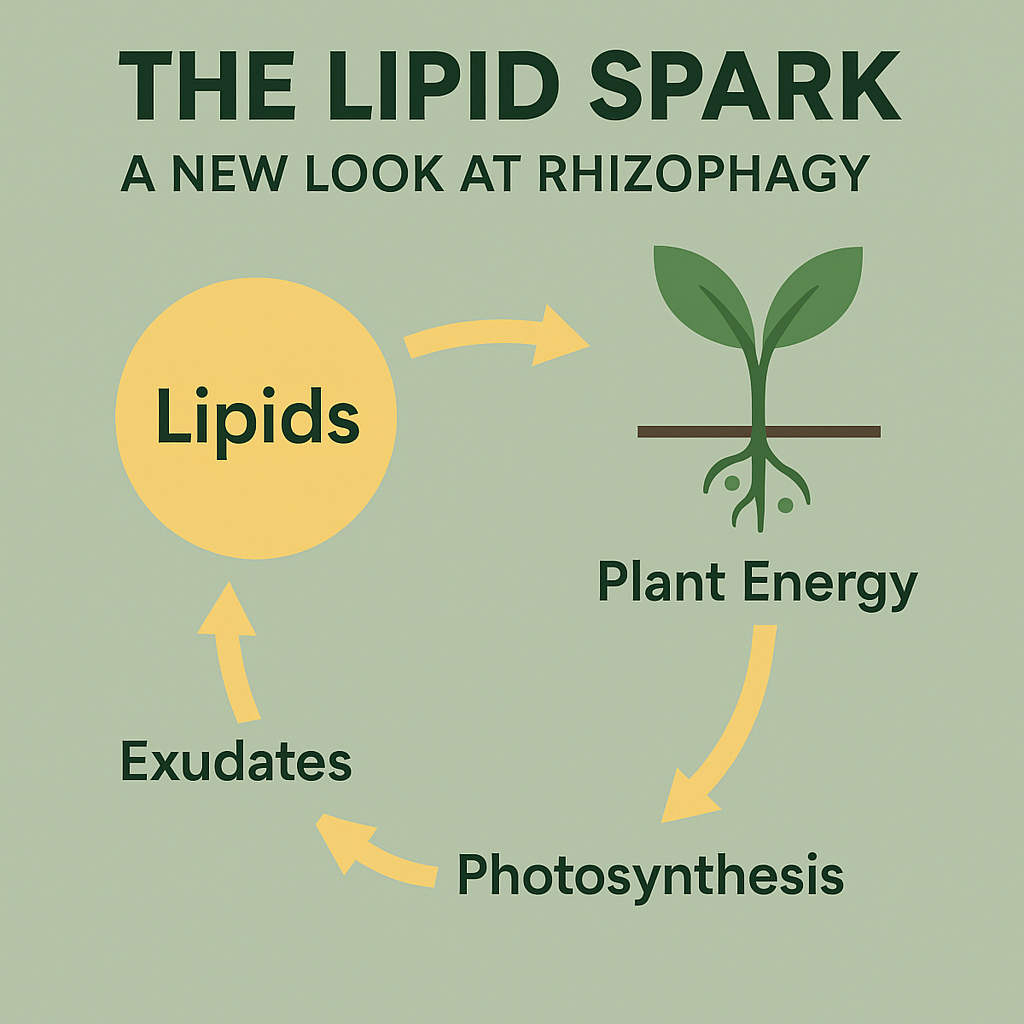
- EnSoil Algae → microalgal lipids energize microbes and speed mineralization
- PC3 → oxygenation, infiltration, bicarbonate reduction, and cleaner water
This combination jump-starts biology and respiration immediately.
5. Strengthen Tissue Early (Quick-Sol 25% Silicon)
Silicon must be present before cell expansion begins.
Quick-Sol’s ~25% soluble silicon (vs. typical <5% Si) supports:
- stress resilience
- Ca/B movement
- stronger annual shoots and fruiting wood
- improved bloom viability and nut/fruit uniformity
- better water-use efficiency
An early silicon foundation pays off all season.
6. Build Long-Term Soil Assets (Sequester)
Dormancy and early spring are ideal windows for establishing microbial carbon.
Sequester supports:
- fungal-dominant biology
- carbon accumulation
- improved soil structure
- stronger season-long nutrient cycling
Final Thought
Dormancy is not downtime. It’s the plant reorganizing, reallocating, and preparing for everything it will do in the coming season.
Your first moves in spring determine how strong that reboot is, no matter which perennial crop you grow.