Every Cane You Cut Right Now Is Telling You the Truth
Green, soft canes.
Weak or uneven wood.
Late-season greening, you couldn’t shut down.
Pruning is the one moment where the vine tells you—plainly—what it prioritized last season.
Those canes are your clearest preview of 2026, and your action plan starts with what’s in your hand right now.
Why Some Vines Stay Green Too Long
A vine stays vegetative when a few key signals don’t arrive on time:
- Soil pH stays too high early
- Water availability stays too generous
- Silicon levels are low
- Stress signals arrive late
- Root-zone energy is weak
When these signals are delayed, the vine delays the shift from:
“grow shoots” → “build wood.”
That’s exactly what you see at pruning.
The Part Most People Miss: Lignification Is About Energy
Lignification isn’t just a mineral pathway—it’s an energy-intensive transformation.
A vine can only harden canes when it has the carbon energy and redox environment to do it.
Lignification deposits lignin into cell walls, making tissues:
- harder
- more rigid
- more resistant to pests and pathogens
- more durable through winter
- more structurally stable
Why Lignification Matters in Commercial Agriculture
Winter hardiness: lignified canes survive cold.
Disease resistance: lignin creates a physical barrier.
Structural strength: resists breakage, improves standability.
Carbohydrate partitioning: signals the shift toward storage.
Predictable crop set: better wood leads to better bud fertility.
Hardening wood is one of the most energy-demanding processes a vine performs. It requires:
- strong nutrient flow
- good Ca/B/K balance
- consistent stress signaling
- real metabolic energy
This is where the right soil, water, and biological environment shape how—and when—the vine stops pushing green and starts building structure.
Andaman Ag’s Perspective
At Andaman Ag, we think about this through a biological and energetic lens:
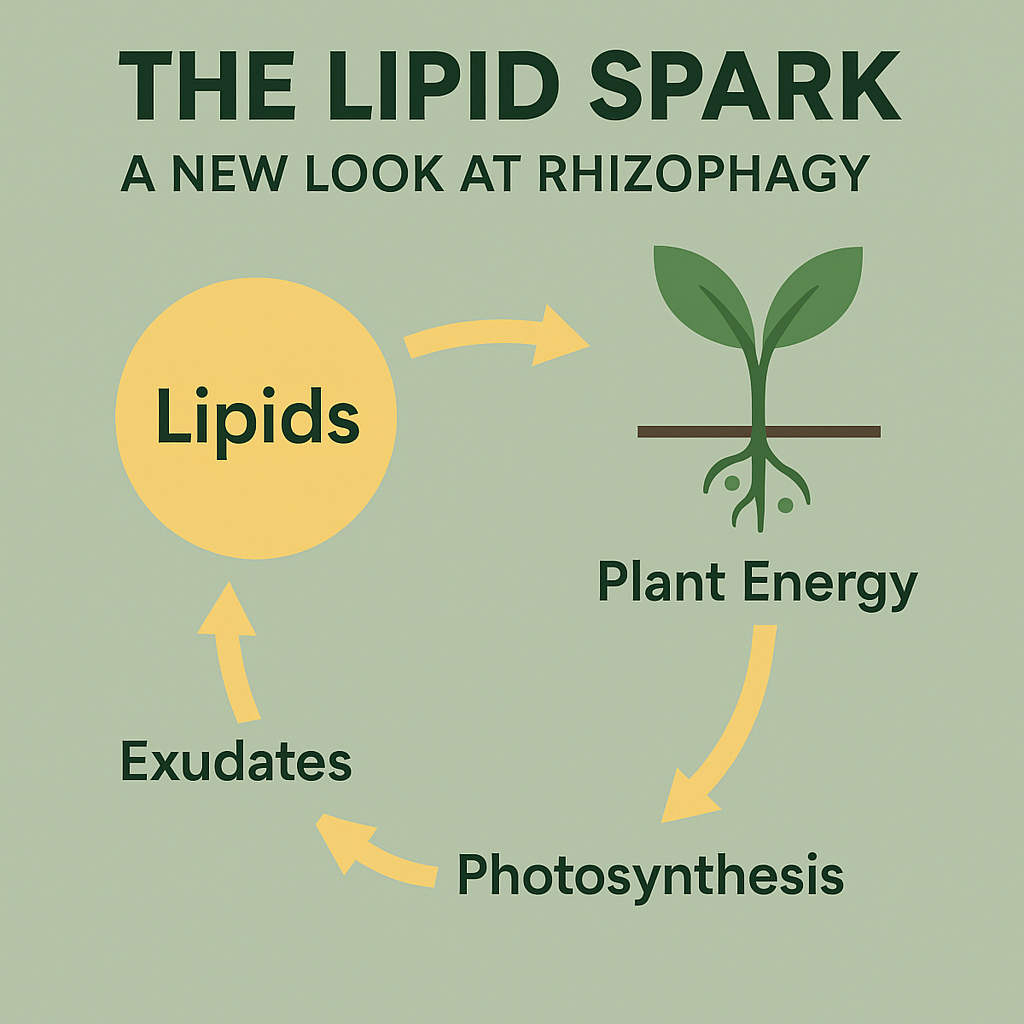
- Biological tools that improve root exudation and carbon flow
- Inputs that support redox balance and metabolic stability
- Materials that reinforce structural rigidity
- Soil conditioners that improve water movement and timing
- Tools that help shift the vine from growth → maturation at the right moment
Better biology creates better wood.
Why This Matters for 2026
Stronger, more lignified canes lead to:
- better carbohydrate reserves
- stronger spurs
- more uniform bud fertility
- improved stress tolerance
- more balanced growth next year
Lignification is an energy decision.
When a plant has enough energy and the right environment, it hardens canes and prepares for dormancy.
When energy or redox balance is poor, canes stay green, soft, and vulnerable.