Home 5 News 5 Andaman Ag to represent Pacific Gro in California

Andaman Ag to represent Pacific Gro in California

Disclaimer

My opinions and perspectives may differ from the information provided on the product label. The product label should be considered the primary and authoritative source of information. It includes important instructions, warnings, ingredients, and usage guidelines that should be followed for safe and effective use of the product.

Pacific Gro Oceanic Hydrolysate is made from Ocean-caught fish (mostly salmon), shrimp and crab. It is a cold-processed hydrolysate that’s made from fresh scraps (including guts, skin, bones and shell) collected from seafood processors. The fish, shrimp and crab scrap are ground and enzymatically digested without addition of any heat or removal of any of the natural oils or proteins. This low temperature process protects the amino acids, vitamins, hormones and enzymes. The naturally occurring enzymes and vortex action in our breaking tanks digest the shells and fish bones into a fine colloidal suspension. Chitin from the shell material becomes micronized and bio-activated, then acts as a chelator of nutrients. The product is stabilized with acid and double-screened at 200 mesh.

Pacific Gro is an organic source of N, P, K and Calcium, as well as a great range of other nutrients, minerals, amino acids, fatty acids and vitamins. The micronized chitin acts both as a chelator for nutrients and as a food for plants and soil microbes. The chitin (or chitosan) and fish oil are preferred food sources for soil microorganisms, particularly beneficial fungal species. Farmers notice a proliferation of soil life and a restoration of a healthy fungal-bacterial balance.
Related Posts

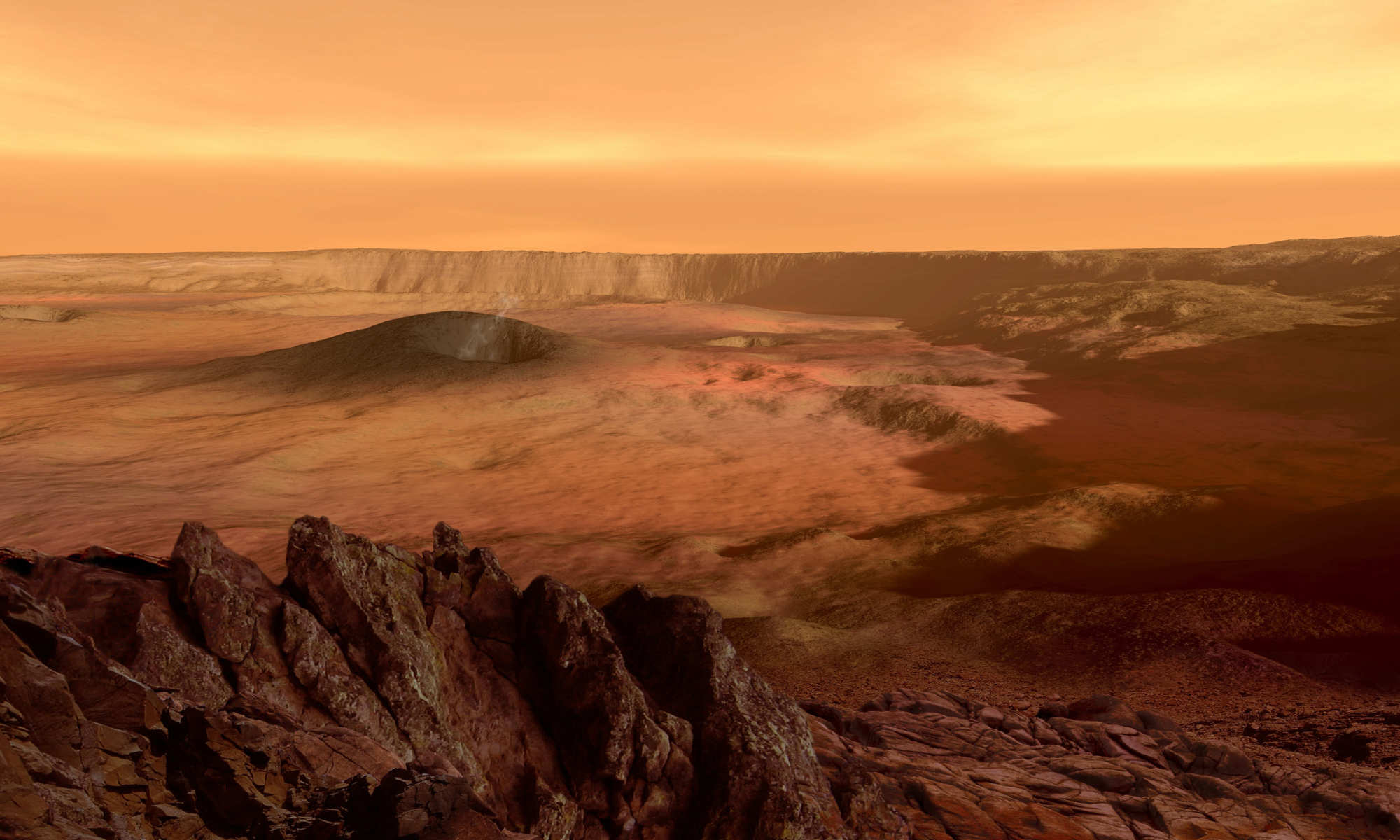
There Are No Plants on Mars

We are spending billions of dollars and no small amount of imagination trying to reach a planet whose air would kill us in minutes. Mars isn’t just a world without plants. It’s a preview of the atmosphere Earth would have if photosynthesis ever stopped.

Related Documents

    The Food Is Getting Bigger. The Nutrition Isn’t.

    “The diets we eat today have less nutritional density than what our grandparents ate, even if we eat the same thing,” said Kristie Ebi, a professor at the University of Washington’s Center for Health and the Global Environment.

    Related Documents

      Fertilizer Volatility Is a Reminder: Efficiency Matters

      Recent instability in the Middle East is once again pushing energy markets higher, and fertilizer prices often follow closely behind. Nitrogen fertilizers in particular remain heavily tied to natural gas and petroleum inputs.

      Related Documents