There is lots of talk these days about carbon and how to manage it, especially when it comes to carbon in our atmosphere. Over the centuries, humans have expanded their carbon emissions as societies have advanced, resulting in more carbon in the atmosphere which leads to climate change.
The atmosphere actually holds very little of the Earth’s carbon, but it is also the most sensitive to small changes. The Earth’s atmosphere contains .04% of the planet’s carbon, in the form of carbon dioxide. This compares with biomass and vegetation, holding 1-2% of the Earth’s carbon. The second largest carbon sink is the area that we try our best to address in these newsletters, our soils, containing 3-4% of the Earth’s carbon. The largest sink by far is our deep blue ocean, holding 93-96% of the Earth’s carbon.
Since the beginning of the Industrial Revolution, CO2 concentrations in our atmosphere have risen by 50%. It’s estimated that 25% of the accumulated CO2 in the atmosphere is related to agricultural operations. However, the good news is that we have a potential solution: to capture carbon from the atmosphere and place it where it will actually benefit us, in our soils. Soil scientists unanimously agree there are agronomic as well as environmental benefits associated with rebuilding soil organic carbon in agricultural soils.
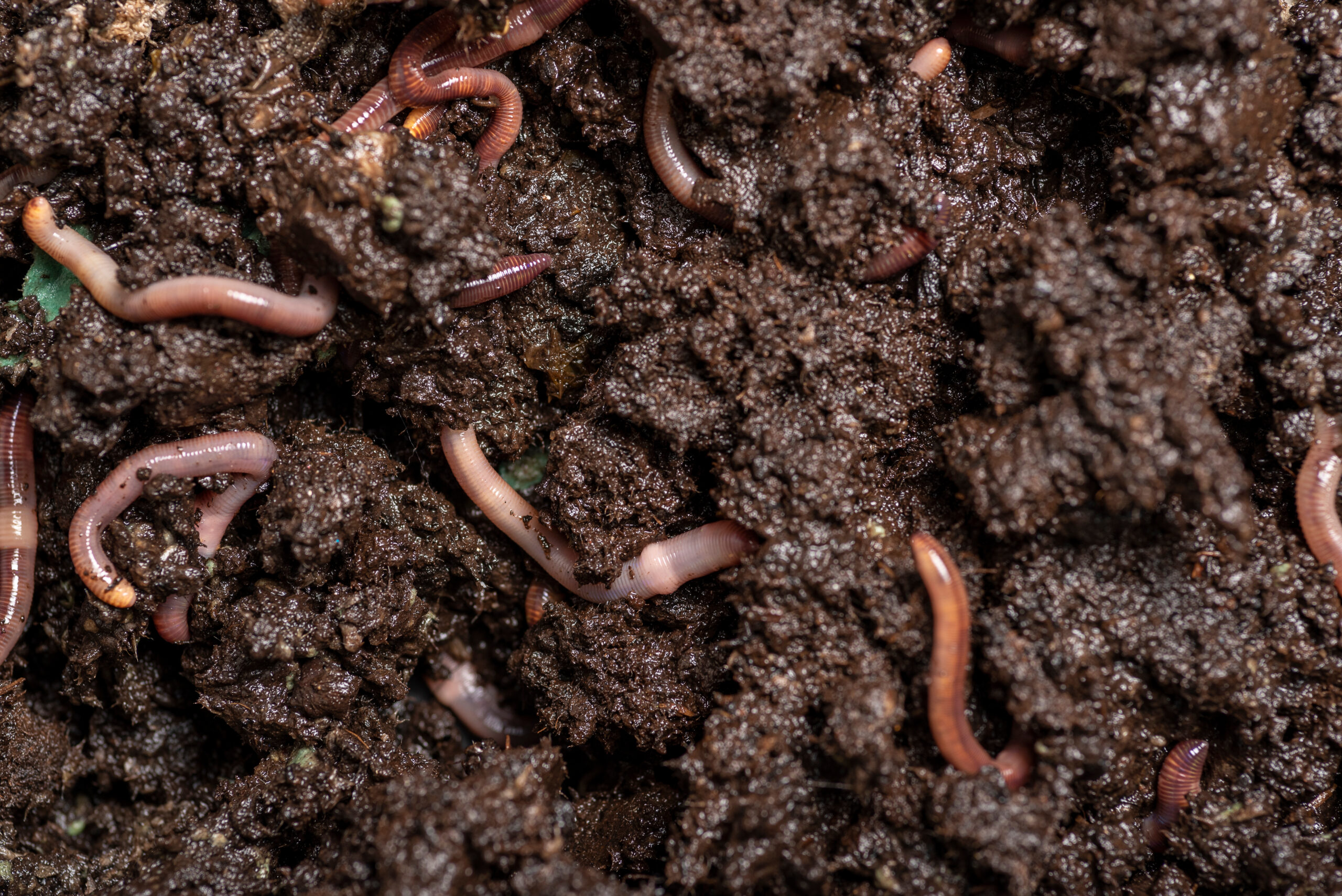
Practices that enhance soil health, such as cover cropping, reduced tillage, and the application of organic amendments, increase the soil’s organic carbon content. Soils rich in organic matter can sequester significant amounts of carbon, helping to reduce the concentration of CO2 in the atmosphere. Improving soil health aligns agricultural practices with broader climate change mitigation goals.
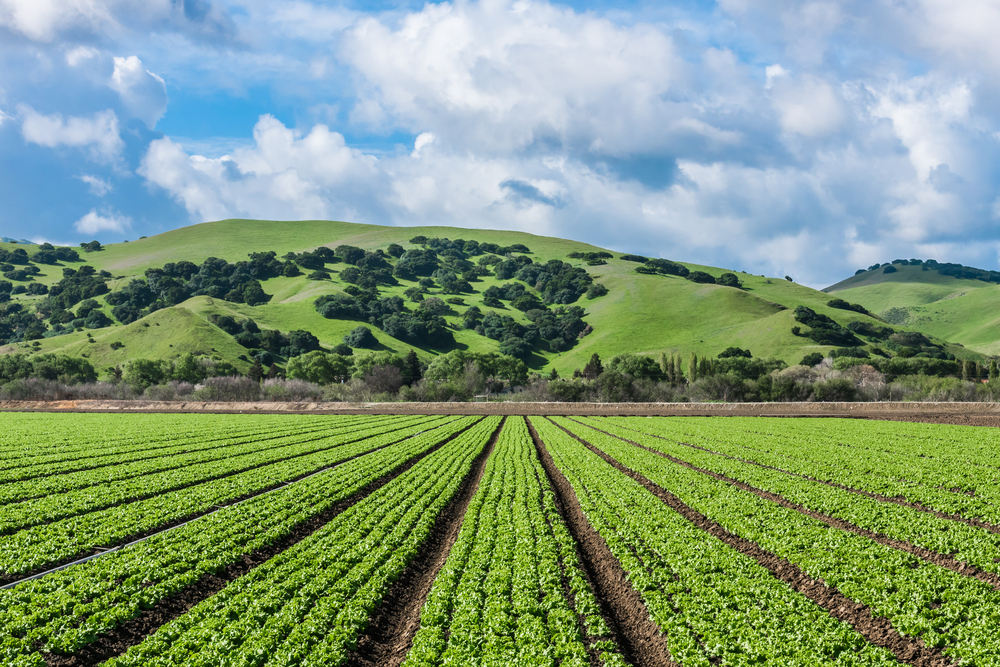
The regenerative agriculture approach includes practices that increase soil carbon sequestration. By nurturing or transitioning to regenerative farming practices, much of the Earth’s topsoil can be regenerated rather than degraded (Scharmer, 2020), thereby improving both soil and human health. Regenerative farming practices include:
- Agroforestry (including trees and shrubs as well as crops)
- Cover cropping (non-legume)
- Cover cropping (legume)
- Animal integration
- Low traffic (minimize farm machinery passes)
- Non-chemical fertilizer
- Non-chemical pest management
- No or low tillage
- Redesigning systems at the landscape level (landscape and ag field together)
Carbon sequestration is an integral part of improving soil health and it is possible for farmers to actually get paid to do it. Our partner, Biodel Ag, Inc., generates new revenue streams for landowners by organizing and administering carbon projects that generate high-value carbon credits. Carbon projects make use of regenerative inputs and so the revenue cycle begins to flourish as well. It’s a win for the environment and a double win for farmers!
Please contact me for more information.